
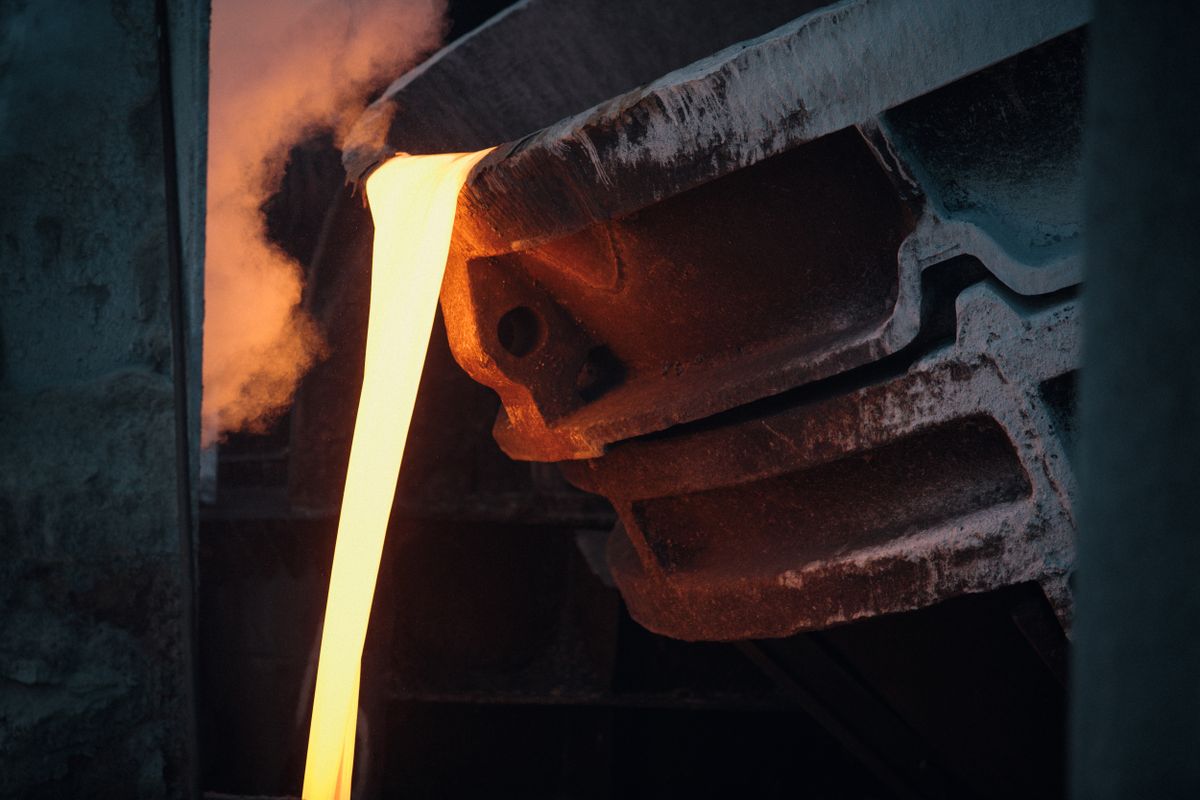
Engineered castings, from scrap to finished part
At Specicast Technologies, we provide sourcing and supply solutions for a wide range of ferrous and non-ferrous cast components, supporting applications from general engineering to demanding industrial environments.
Every enquiry starts with the drawing. We review geometry, wall sections, tolerances and volume, then match the part to the casting method that produces it soundly and economically — from green sand and no-bake through to investment and die casting.
Patterns and tooling, melting and pouring, fettling, heat treatment, machining and inspection are coordinated across our foundry partners, so you deal with one point of contact from first sample to shipment.
A versatile route to complex metal components
Casting is one of the most versatile manufacturing technologies for producing metal components with complex geometries, internal cavities, varying wall sections and large overall dimensions.
Unlike processes that rely primarily on solid deformation, casting allows molten metal to fill a prepared mould cavity and solidify into the required component geometry. The selection of casting over forging or machining depends on the functional requirements, material, geometry, production quantity, tolerance and total component cost.
Casting is particularly suitable when the component requires:
- Complex external geometry
- Internal passages or cavities
- Large or irregular shapes
- Integrated features
- Near-net-shape manufacturing
- Reduced material wastage
- Economical production of complex components
- Low, medium or high production volumes
A broad range of casting technologies
 01
01
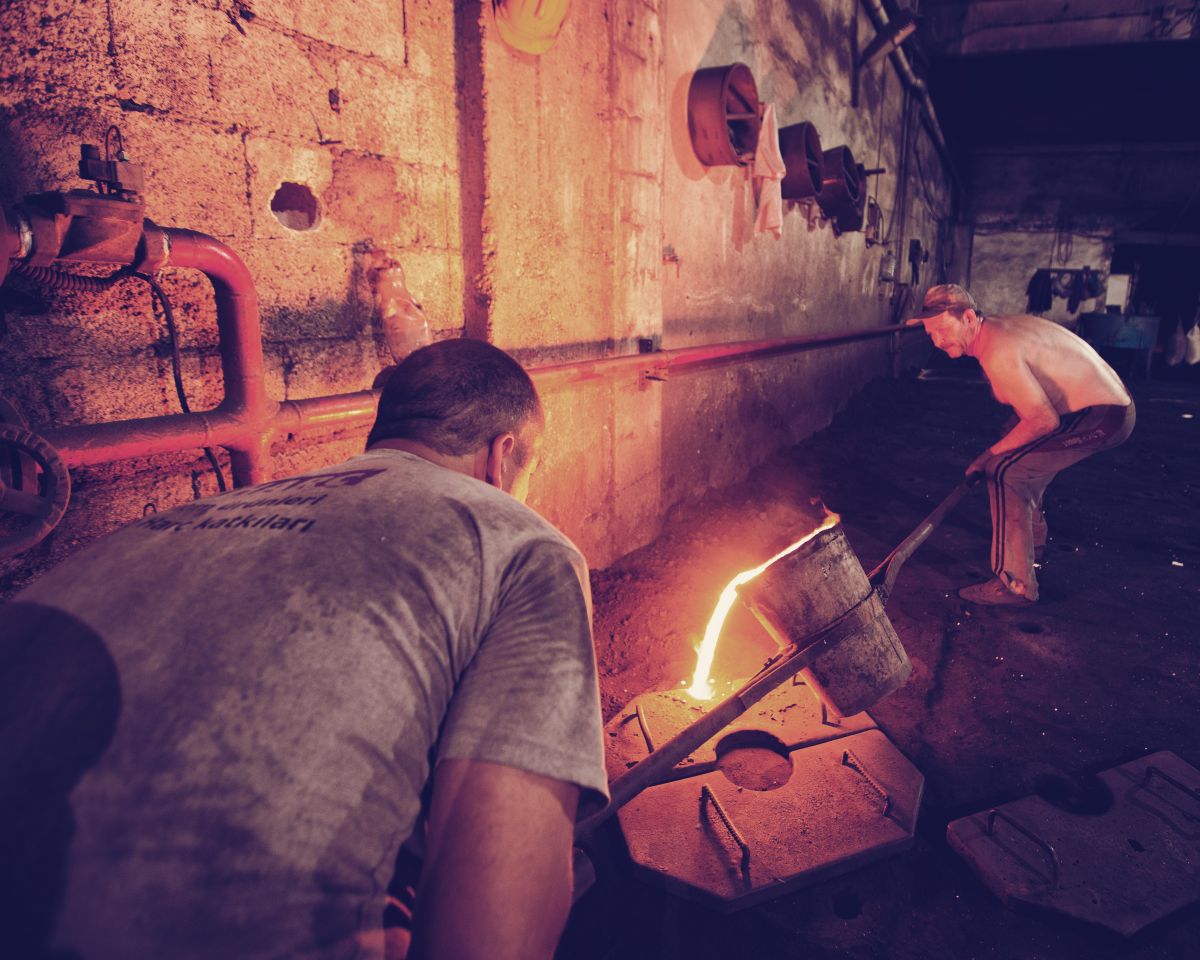
Green Sand Casting
Green sand casting is one of the most versatile and economical casting methods for producing components across a wide range of sizes and materials.
It is particularly suitable for low to high production volumes and medium and large components.
- Pump casings
- Valve bodies
- Housings
- Machine bases
- Bearing housings
- Agricultural components
- Industrial machinery components
- Construction equipment components
- Flexible tooling
- Economical for many applications
- Suitable for complex geometries
- Wide material selection
- Suitable for prototype through production requirements
 02
02
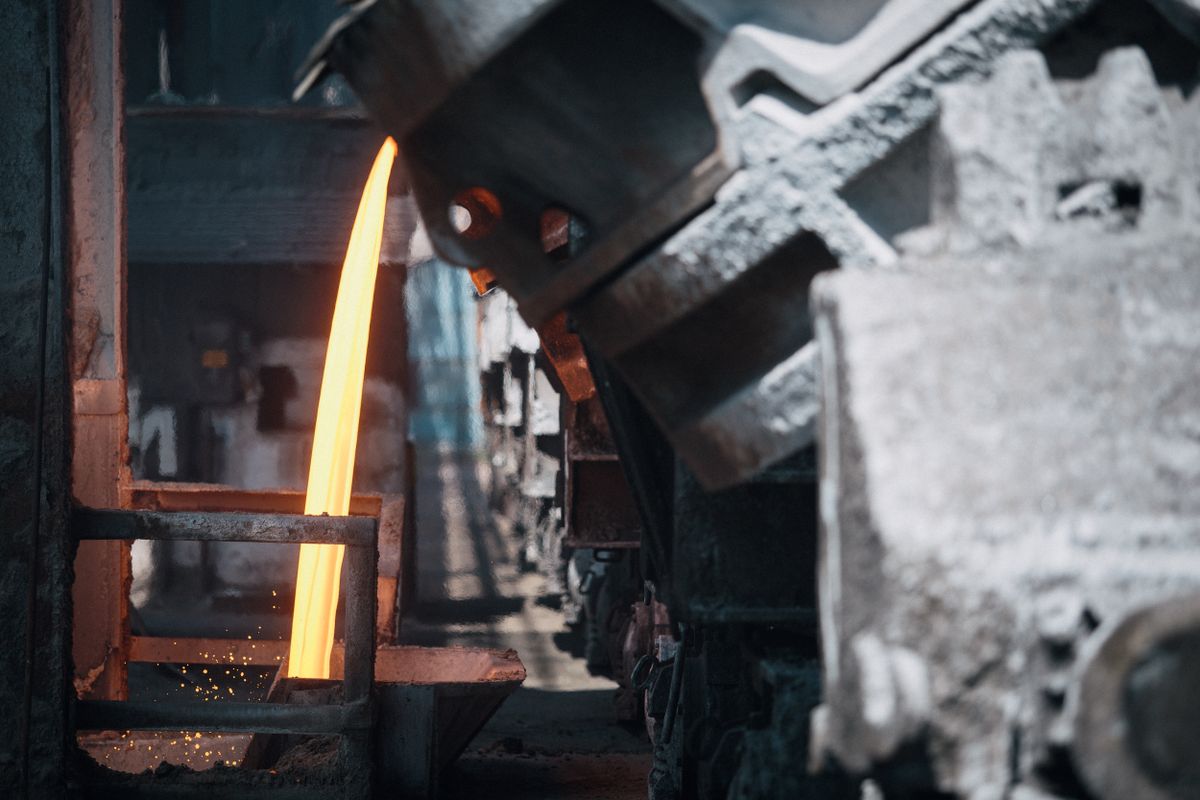
No-Bake / Air-Set Casting
No-bake casting uses chemically bonded sand systems to produce moulds without conventional green-sand compaction.
The process is particularly useful for larger, heavier or geometrically complex castings where mould flexibility and dimensional control are important.
- Large pump bodies
- Large valve bodies
- Machine bases
- Industrial housings
- Heavy engineering castings
- Complex cast steel components
- Flexible mould configuration
- Suitable for large components
- Good mould strength
- Suitable for complex cores
- Useful for low and medium production volumes
 03
03
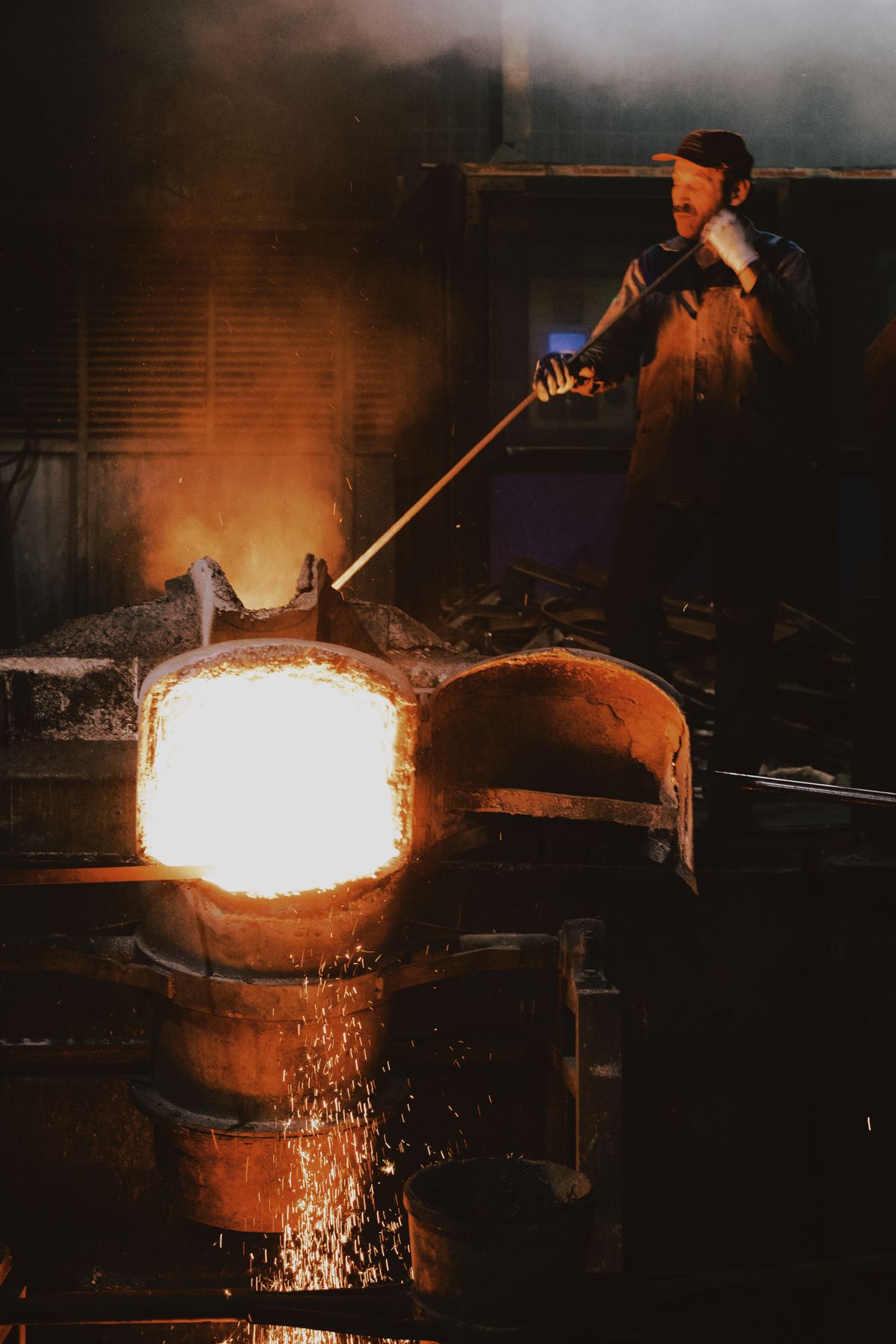
Shell Moulding
Shell moulding uses a resin-coated sand system to create a relatively thin and rigid mould shell.
It can provide improved dimensional consistency and surface finish compared with conventional sand casting.
- Smaller and medium-sized components
- Automotive components
- Engineering components
- Valve components
- Pump components
- Precision cast iron and steel components
- Better dimensional consistency
- Improved surface finish
- Good repeatability
- Suitable for repetitive production
 04
04
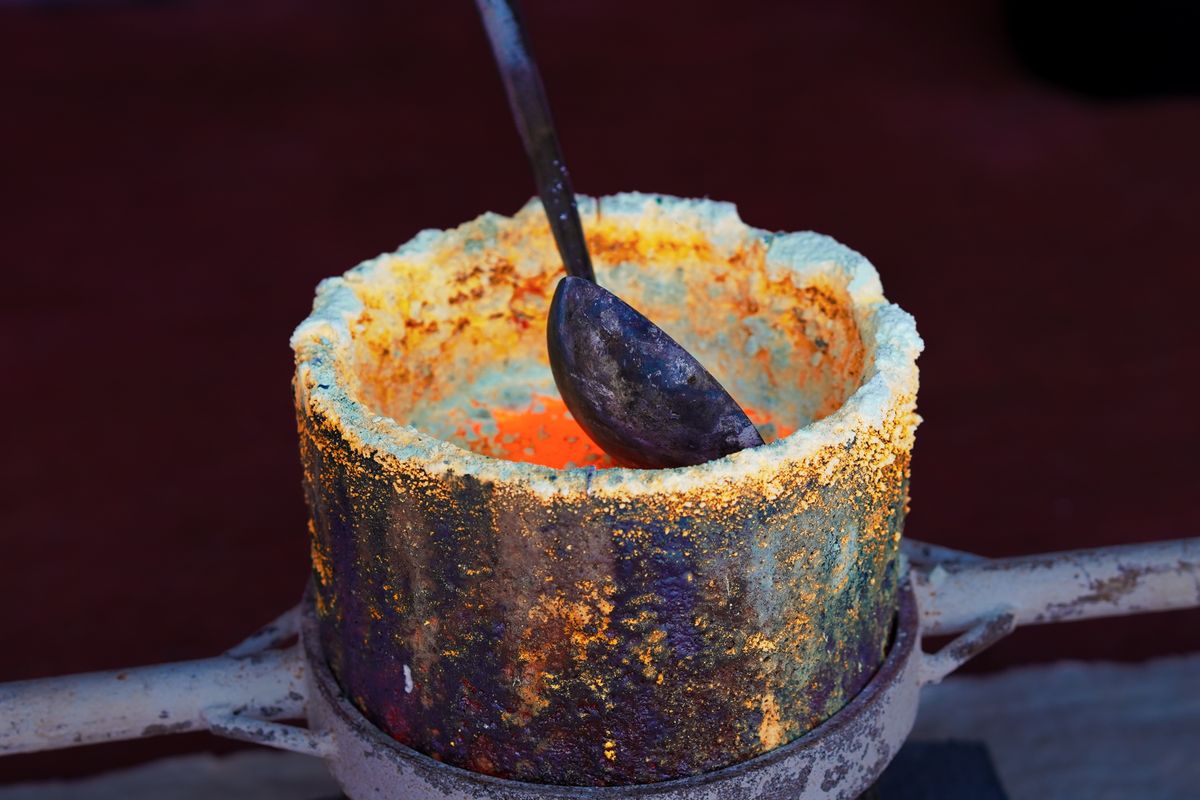
Investment Casting
Investment casting, commonly known as lost-wax casting, is used where component geometry, dimensional accuracy and surface finish make conventional casting or extensive machining less suitable.
The process uses a sacrificial wax or polymer pattern, which is coated with a ceramic shell. After removal of the pattern, molten metal is poured into the resulting mould cavity.
- Carbon steel
- Alloy steel
- Stainless steel
- Tool steels
- Aluminium alloys
- Copper alloys
- Nickel-based alloys
- Valve components
- Pump components
- Impellers
- Levers
- Brackets
- Complex housings
- Automotive components
- Aerospace and industrial components
- Complex geometry
- Thin sections
- Reduced machining requirements
- Excellent surface detail
- Internal passages can be incorporated using suitable cores
- Suitable for near-net-shape production
 05
05
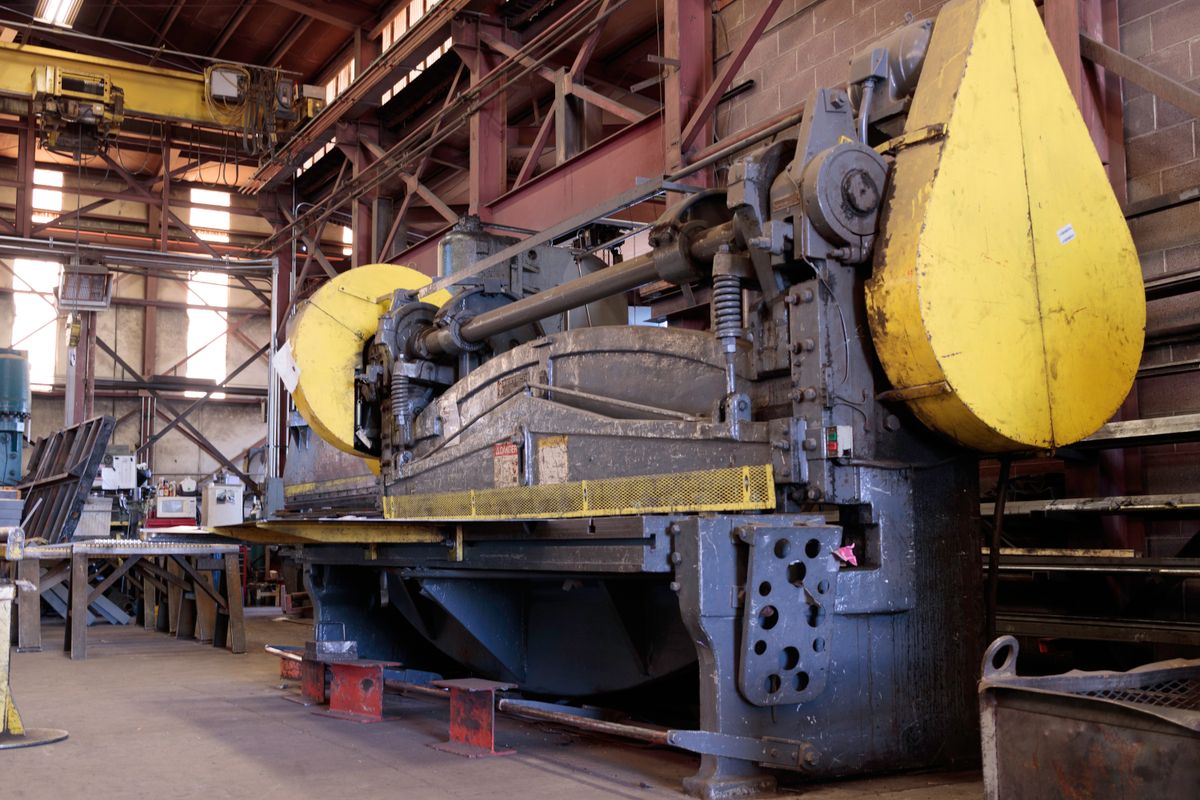
High Pressure Die Casting (HPDC)
Die casting is primarily used for high-productivity production of non-ferrous components, suitable for high-volume production of aluminium, zinc and magnesium components.
- Automotive components
- Electrical housings
- Motor housings
- Consumer / industrial hardware
- Lightweight structural components
- High production rate
- Good repeatability
- Good surface finish
- Thin-wall capability
- Reduced secondary machining
 06
06
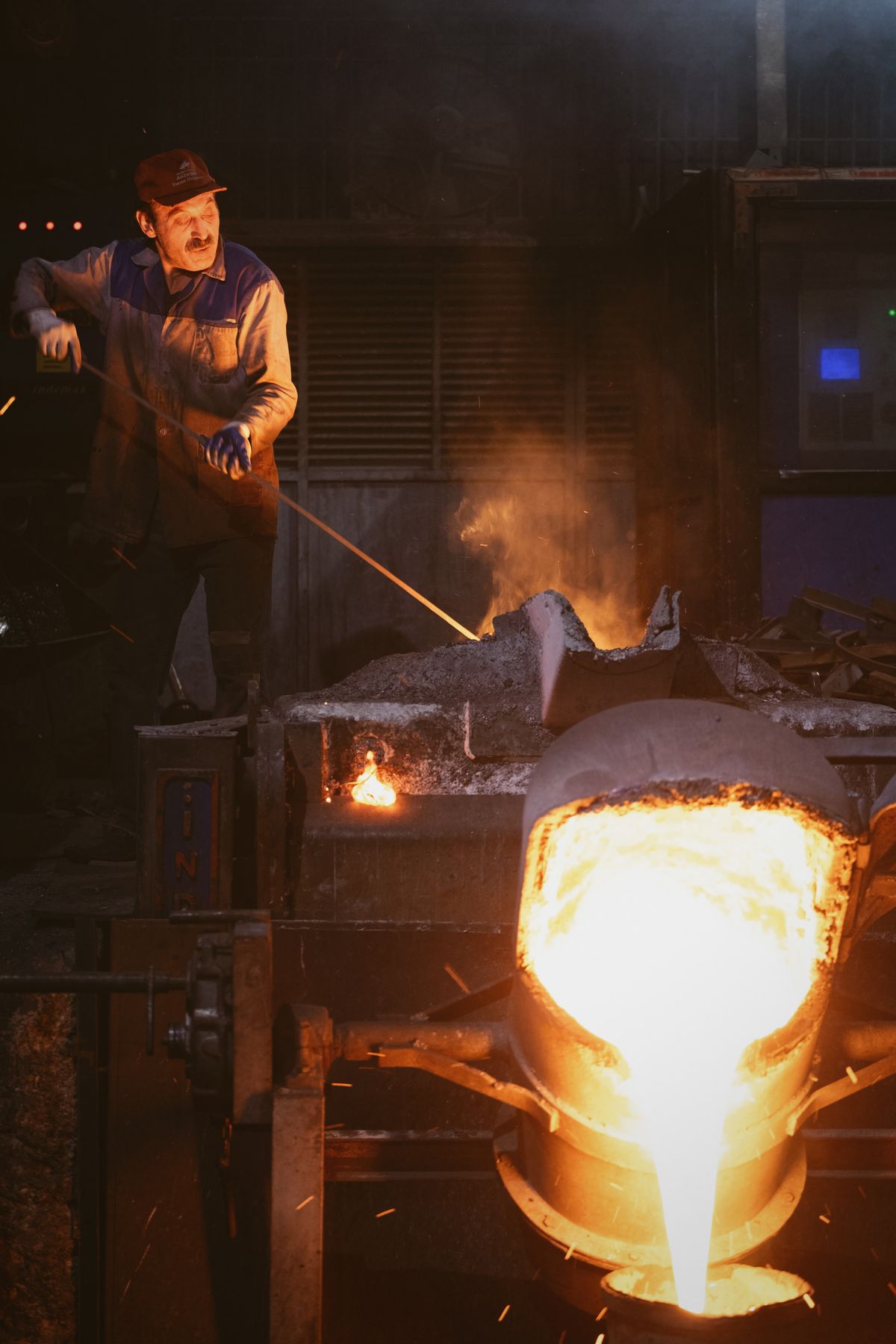
Gravity Die Casting
Gravity die casting uses a reusable metallic mould and gravity to introduce molten metal into the cavity.
It is particularly suitable for selected aluminium and copper-alloy applications requiring improved repeatability compared with conventional sand casting.
- Housings
- Covers
- Brackets
- Automotive components
- Pump components
- Industrial components
 07
07
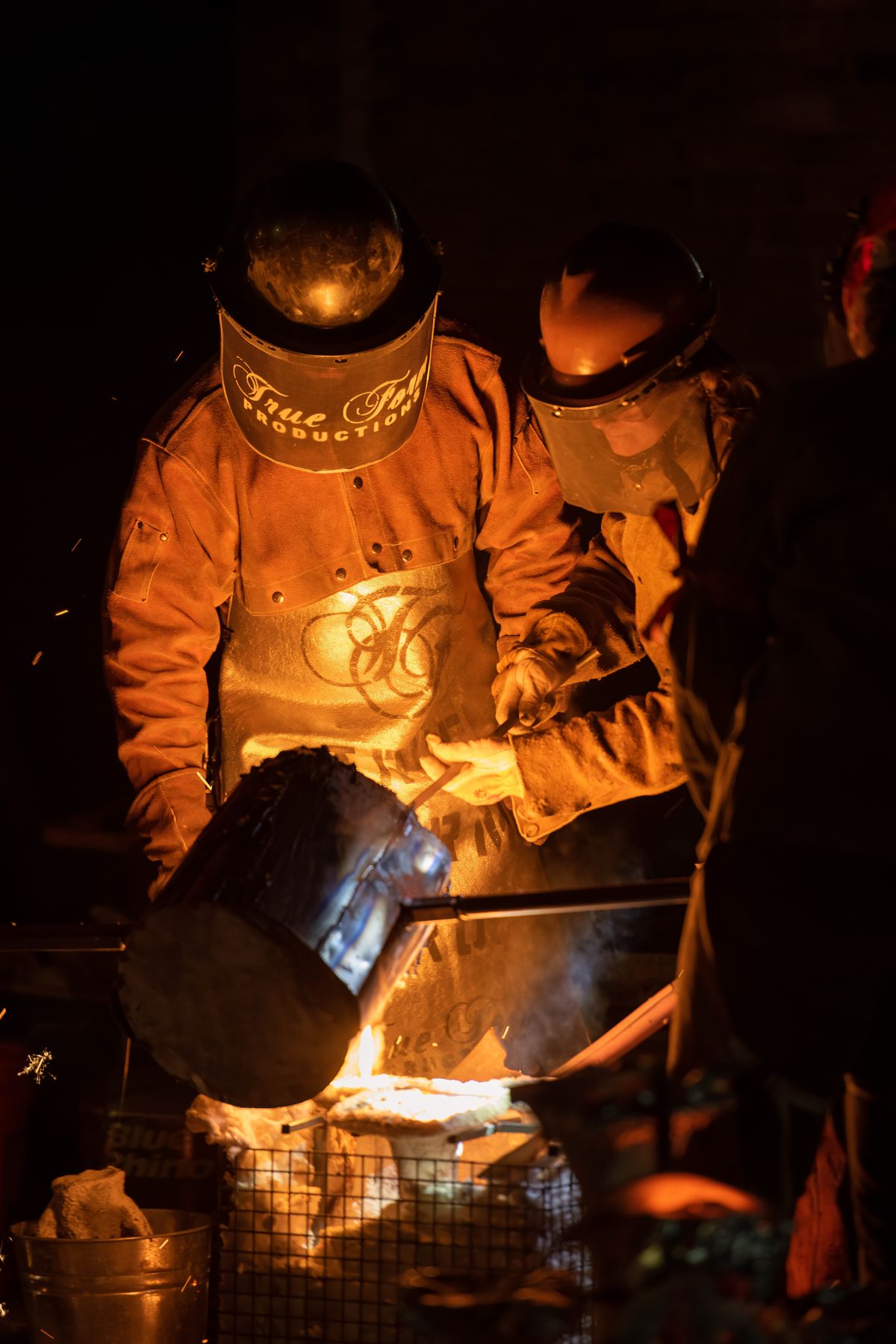
Low-Pressure Die Casting
Low-pressure die casting uses controlled pressure to introduce molten metal into the mould.
It is particularly useful for suitable aluminium components where improved filling control, soundness and repeatability are required.
- Automotive wheels
- Housings
- Structural aluminium components
- Industrial components
 08
08
Centrifugal Casting
Centrifugal casting rotates the mould while molten metal is poured, using centrifugal force to distribute the metal against the mould wall.
It is particularly suitable for cylindrical and tubular components that require a dense, sound structure without cores for the bore.
- Pipes and tubes
- Cylinder liners
- Bushings and sleeves
- Rings and flanges
- Rollers
- Dense, defect-reduced structure
- No cores required for cylindrical bores
- Good mechanical properties
- Efficient material use for tubular shapes
From small precision castings to large industrial castings
The actual achievable range depends on:
- Casting process
- Material
- Component geometry
- Wall thickness
- Core requirements
- Pattern configuration
- Foundry equipment
- Moulding technology
- Production volume
Ferrous and non-ferrous casting materials
Grey Cast Iron
Typical grades include FG150 / equivalent, FG160, FG200, FG260 and other equivalent grades.
Typical Applications
- Pump bodies
- Machine bases
- Housings
- Brake components
- Engine components
- General engineering components
Ductile / SG Iron
Typical grades include 400/12, 450/10, 500/7, 600/3, 700/2 and other equivalent grades.
Key Properties
- High tensile strength
- Improved ductility
- Good impact resistance
- Good machinability
- Good fatigue performance
- Suitable for pressure-containing applications
Typical Applications
- Pump casings
- Valve bodies
- Pipe fittings
- Housings
- Automotive components
- Agricultural components
- Heavy engineering components
Carbon Steel Castings
Supplied according to applicable ASTM, ASME, EN, DIN, ISO or customer-specific specifications.
Typical Applications
- Valve bodies
- Pump components
- Flanges
- Pressure-containing components
- Structural components
- Industrial machinery
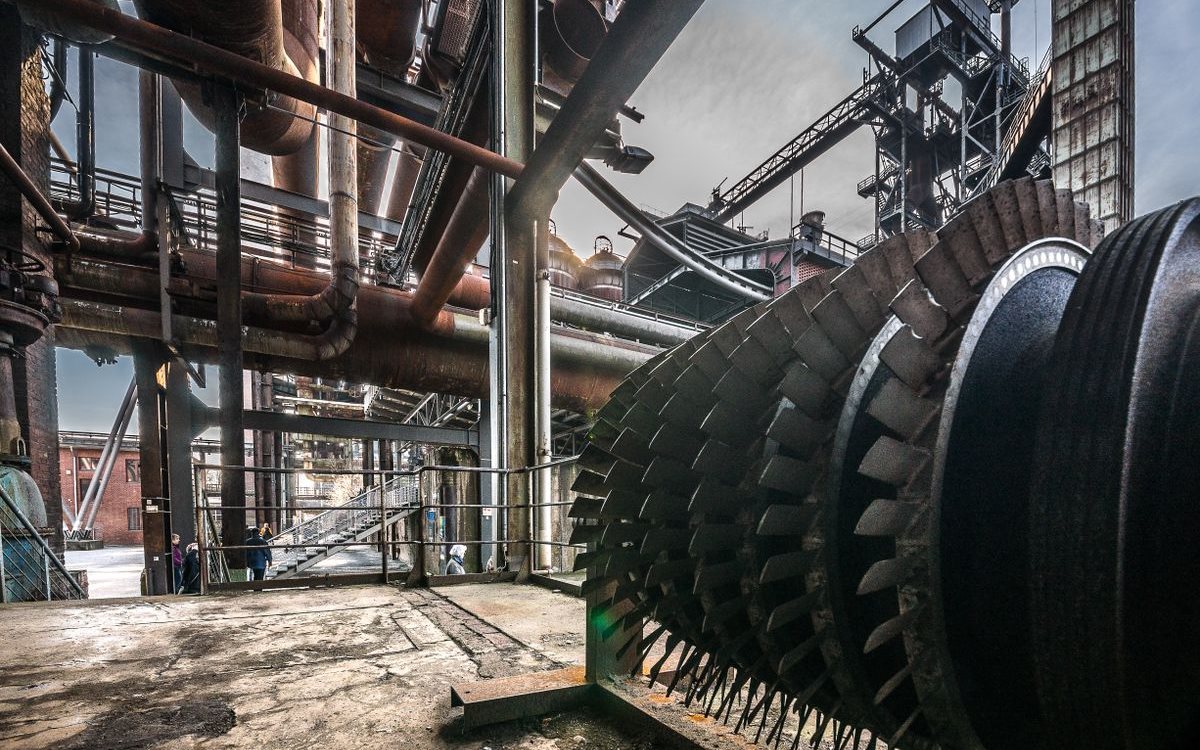
Alloy Steel Castings
Selected where improved strength, hardness, wear resistance, toughness or elevated-temperature performance is required. Material selection is based on the actual operating conditions and applicable specification.
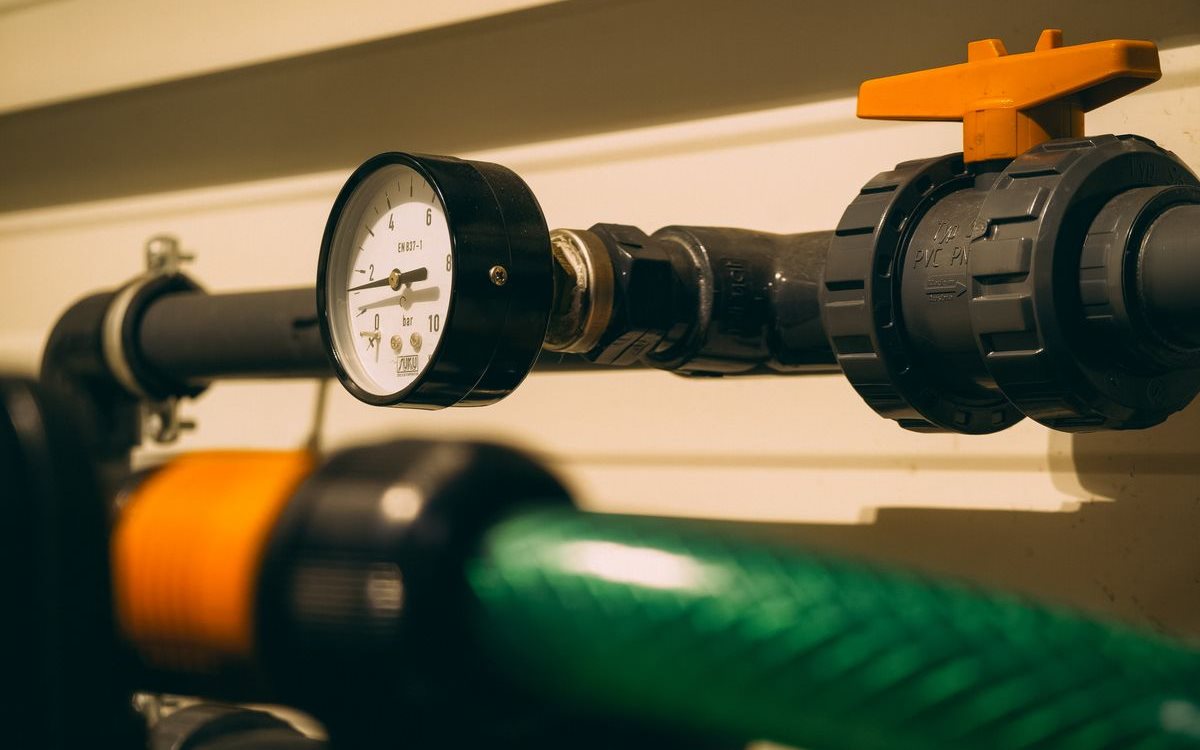
Stainless Steel Castings
We support commonly required stainless-steel casting families: austenitic, martensitic, duplex, super duplex and other specified stainless alloys.
Typical Applications
- Pumps
- Valves
- Chemical equipment
- Marine components
- Food-processing equipment
- Corrosion-resistant industrial equipment
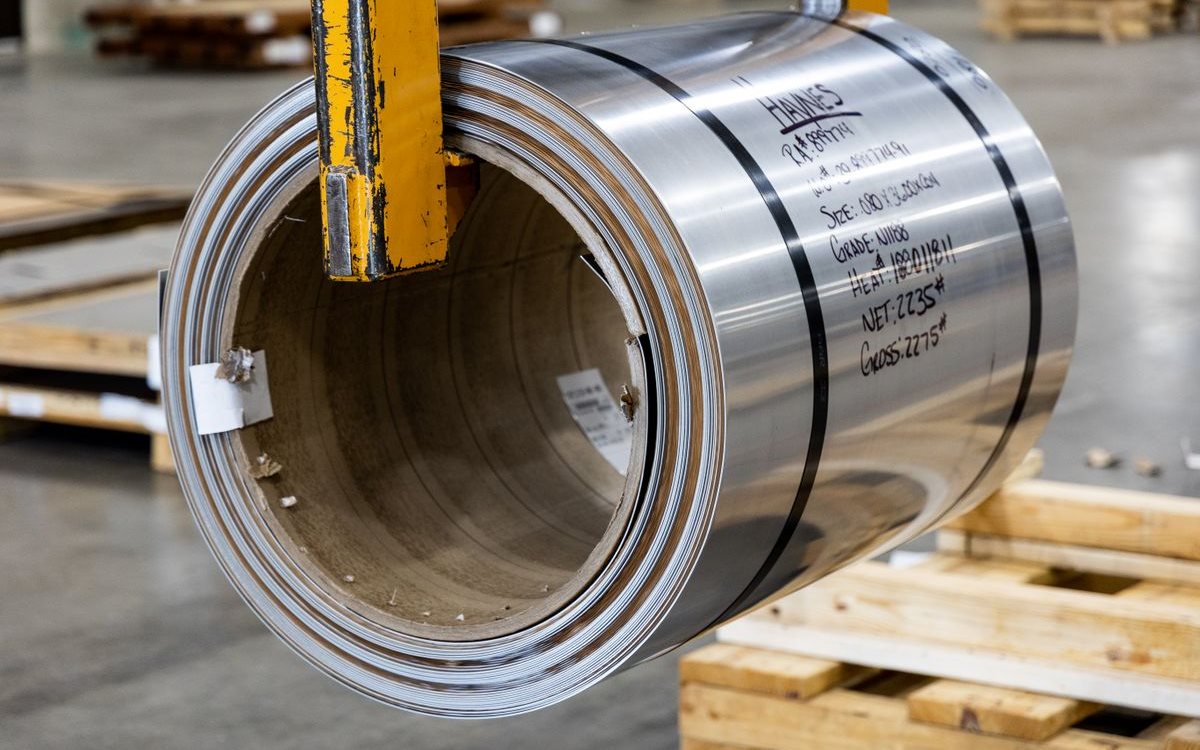
Non-Ferrous — Aluminium
Suitable for lightweight applications requiring low density, corrosion resistance, good machinability and good thermal conductivity.
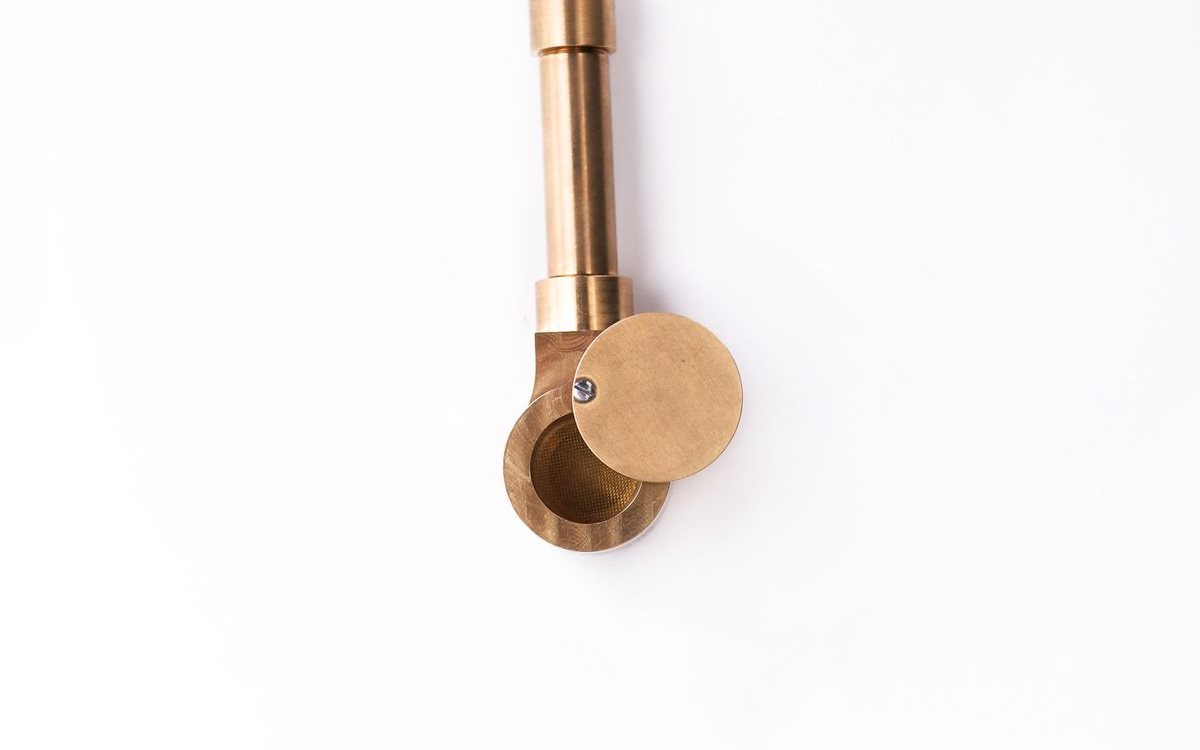
Non-Ferrous — Brass & Bronze
Suitable for valves, bushes, bearings, pumps, marine components and general engineering.
Non-Ferrous — Copper Alloys
Available for applications requiring appropriate electrical conductivity, thermal conductivity, corrosion resistance and wear properties.
Matching the requirement to the right casting route
| Requirement | Recommended Casting Route |
|---|---|
| General engineering casting | Green Sand |
| Large complex casting | No-Bake |
| Better dimensional consistency | Shell Moulding |
| Complex small precision component | Investment Casting |
| High-volume aluminium / zinc | HPDC |
| Aluminium structural component | LPDC / Gravity Die |
| Cylindrical / tubular component | Centrifugal |
| Large iron / steel component | Sand / No-Bake |
| Complex internal geometry | Sand / Investment / Specialized process |
| Very high production volume | Die Casting / Automated Sand Casting |
| Near-net-shape complex part | Investment / Precision Casting |
Final process selection is subject to detailed technical evaluation of the component.
Let's cast your next component
From pattern and prototype to production, machining and inspection — coordinated through one sourcing partner.