
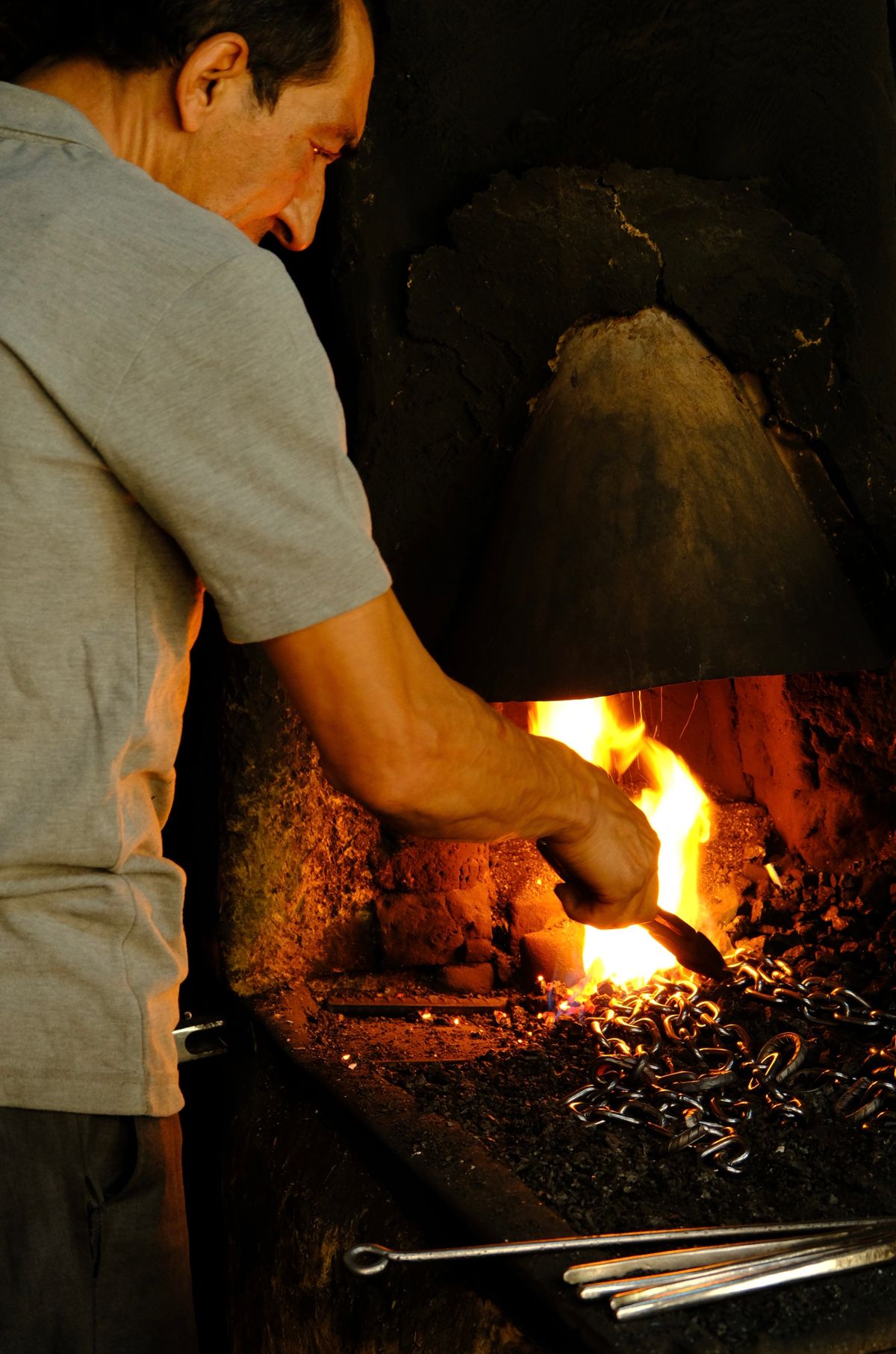
Engineered forgings, with strength built in
At Specicast Technologies, we provide sourcing and supply solutions for a wide range of forged components manufactured through open-die, closed-die, hot, warm, cold, precision and ring-rolling processes.
Forged parts are usually specified for load, fatigue and impact performance, so we start from the duty of the component — then choose open-die, closed-die, upset or ring rolling, and the forging temperature, to develop the grain flow the application needs.
Billet selection, die manufacture, forging, trimming, heat treatment, machining and NDT are coordinated across our forge partners, so development through to serial production runs through one point of contact.
Strength and toughness through controlled deformation
Forging shapes metal through controlled plastic deformation using compressive forces rather than removing material or pouring molten metal into a mould.
The controlled deformation and resulting grain flow can provide excellent strength, toughness, fatigue resistance and structural integrity for appropriately designed components.
Forging is particularly suitable where components are subjected to:
- High mechanical loads
- Repeated or cyclic loading
- Impact loading
- High stresses
- Fatigue conditions
- Safety-critical applications
- High wear conditions
- Demanding operating environments
A broad range of forging processes
 01
01
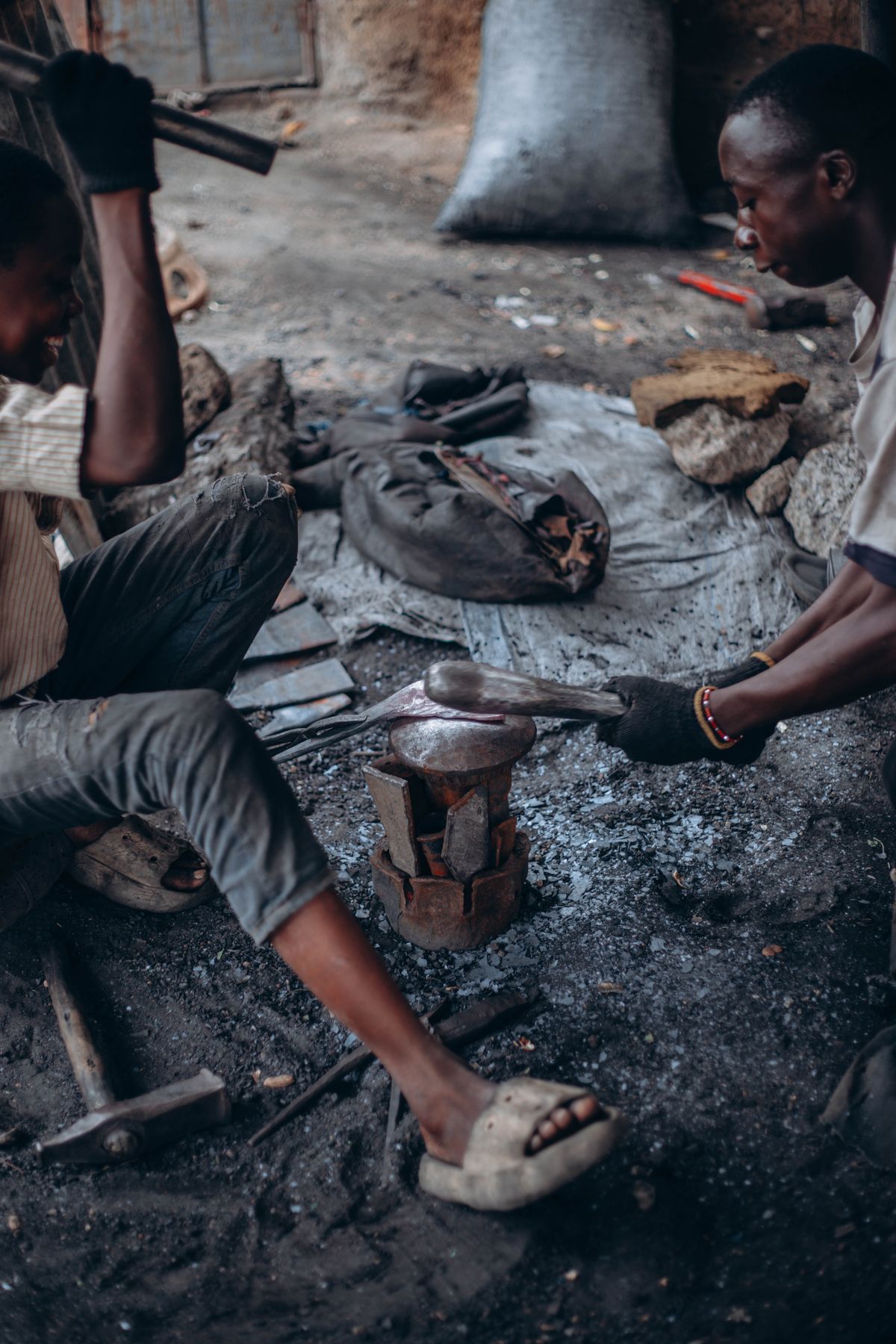
Open-Die Forging
Open-die forging shapes a heated workpiece between flat, V-shaped or other relatively simple dies without completely enclosing the material.
It is particularly suitable for large components, low-volume requirements, custom forgings and applications where dedicated closed-die tooling is not economical.
- Large shafts
- Step shafts
- Discs
- Rings
- Blocks
- Bars
- Rolls
- Spindles
- Heavy-duty industrial components
- Suitable for large components
- Flexible geometry
- Minimal dedicated tooling
- Suitable for low production quantities
- Shorter tooling-development requirements
- Suitable for customized components
- Oil & Gas
- Power Generation
- Heavy Engineering
- Mining
- Marine
- Industrial Machinery
- Pressure Equipment
 02
02
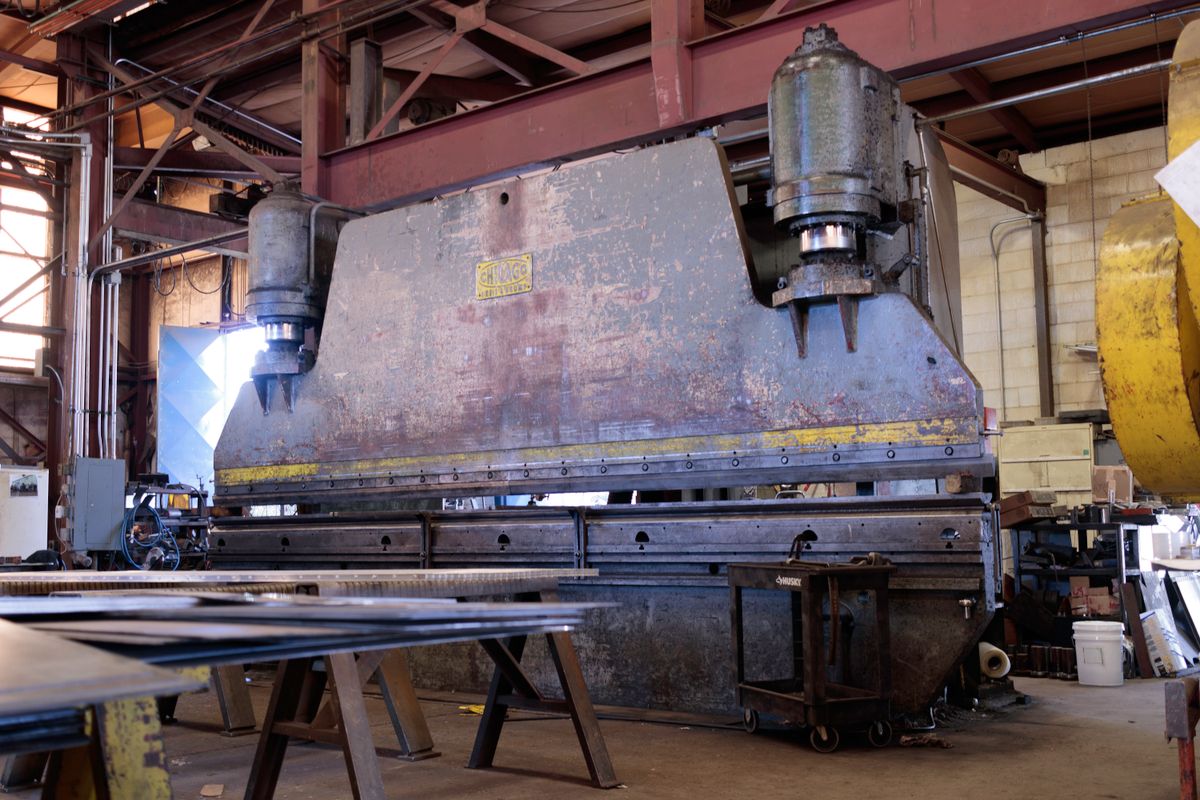
Closed-Die / Impression-Die Forging
Closed-die forging forms the heated billet within shaped die cavities to produce the required component geometry, commonly using one or more die impressions to progressively develop the final geometry.
The process is particularly suitable for medium- to high-volume production and components requiring repeatability and controlled metal flow.
- Connecting rods
- Steering components
- Levers
- Yokes
- Hubs
- Flanges
- Gear blanks
- Automotive components
- Valve components
- Pump components
- Excellent repeatability
- Controlled component geometry
- Efficient production for suitable volumes
- Favorable grain flow
- Good mechanical integrity
- Reduced machining compared with fully machined-from-bar components
 03
03
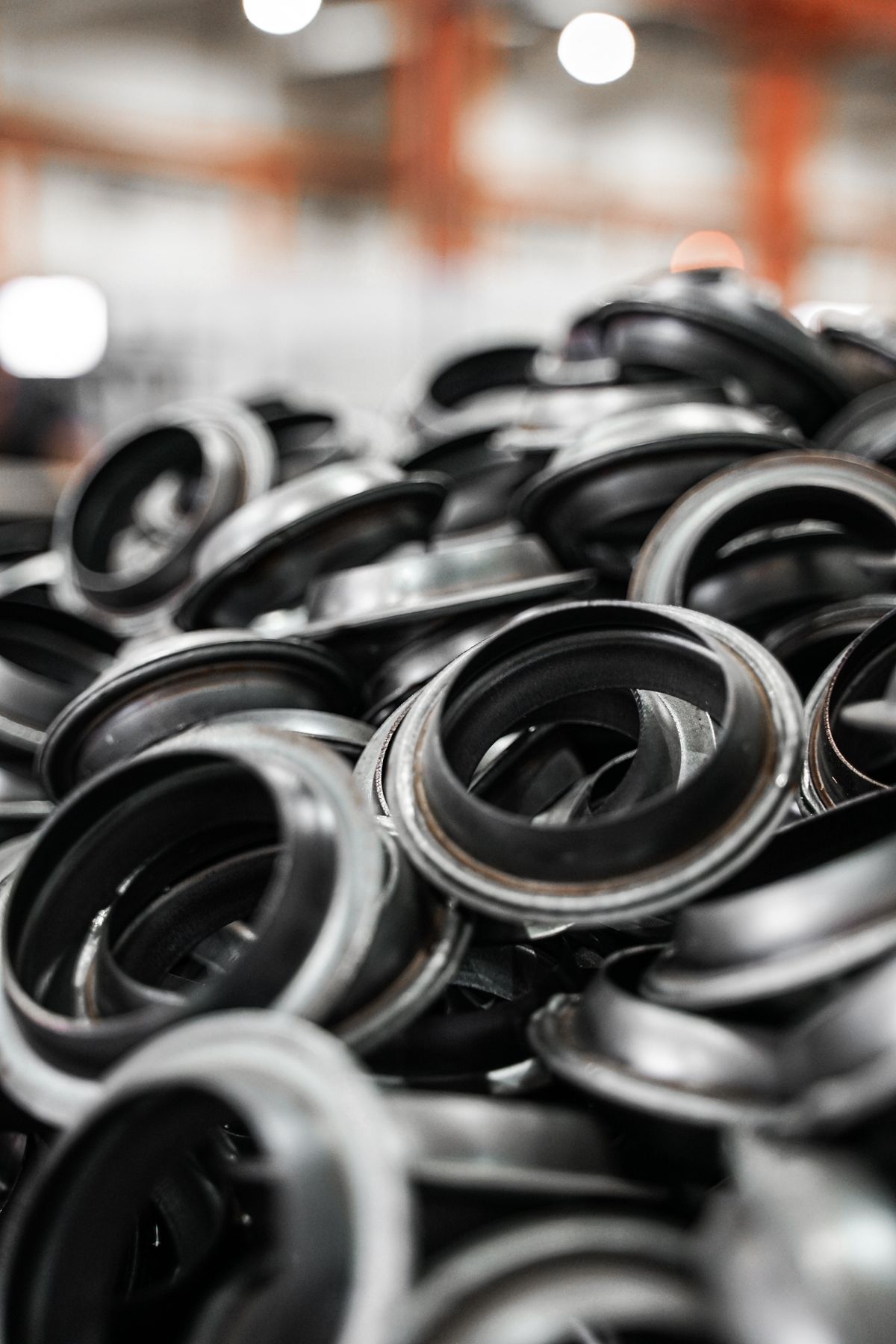
Ring Rolling
Ring rolling is a specialized forging process used to manufacture seamless rings. A preformed ring is progressively reduced in wall thickness while its diameter increases through controlled rolling.
It is particularly attractive for applications where circumferential strength and fatigue performance are important.
- Bearing rings
- Flanges
- Gear rings
- Pressure vessel rings
- Valve rings
- Turbine rings
- Industrial machine rings
- Large rotating components
- Seamless ring construction
- Controlled grain flow around the ring
- Efficient material utilization
- Suitable for large-diameter rings
- Excellent mechanical integrity for suitable applications
 04
04
Upset Forging
Upset forging increases the cross-sectional area of a selected portion of a bar or billet by compressing it axially.
- Bolts
- Fasteners
- Studs
- Pins
- Shafts
- Flanges
- Automotive components
- Excellent material utilization
- High production efficiency
- Suitable for repetitive production
- Reduced machining waste
- Stronger formed heads and localized sections
Forged components from small precision parts to large industrial forgings
Actual achievable size and weight depend on:
- Forging process
- Material
- Equipment capacity
- Die dimensions
- Component geometry
- Production quantity
Hot, warm and cold forging — selected to the component
Hot Forging
Hot forging is performed at an elevated temperature where the material becomes more readily deformable. This allows larger deformation with lower forming forces compared with cold forming and is widely used for steel and other engineering alloys.
Hot-forging temperatures vary substantially with alloy and process, so actual forging temperatures are established according to the material specification and validated manufacturing process rather than using a single universal temperature.
Typical Components
- Shafts
- Gears
- Flanges
- Hubs
- Yokes
- Connecting rods
- Valve components
- Pump components
- Automotive components
Key Advantages
- High formability
- Suitable for complex geometries
- Suitable for larger sections
- Significant deformation capability
- Suitable for a wide range of alloys
Warm Forging
Warm forging is performed at an intermediate temperature between hot and cold forging, providing a useful balance between formability, dimensional control, surface quality, forming force and material utilization.
It can be considered where conventional hot forging does not provide the desired dimensional performance and cold forging is unsuitable because of forming force or material limitations.
Suitable Applications
- Automotive components
- Gear components
- Flanges
- Fasteners
- Precision industrial parts
- Components requiring improved dimensional control
Cold Forging
Cold forging forms material at or near room temperature, producing work hardening and allowing excellent dimensional control for suitable materials and geometries.
Cold forging is most suitable for ductile materials and geometries that can be formed within the available equipment and tooling limits. For more complex or heavily deformed components, hot or warm forging may be more appropriate.
Typical Applications
- Fasteners
- Pins
- Bushes
- Rivets
- Shafts
- Automotive components
- Electrical components
- Precision hardware
Key Advantages
- Excellent material utilization
- Good surface finish
- High dimensional consistency
- Work hardening
- Reduced machining requirements
- High production rates for suitable components
A broad range of engineering materials
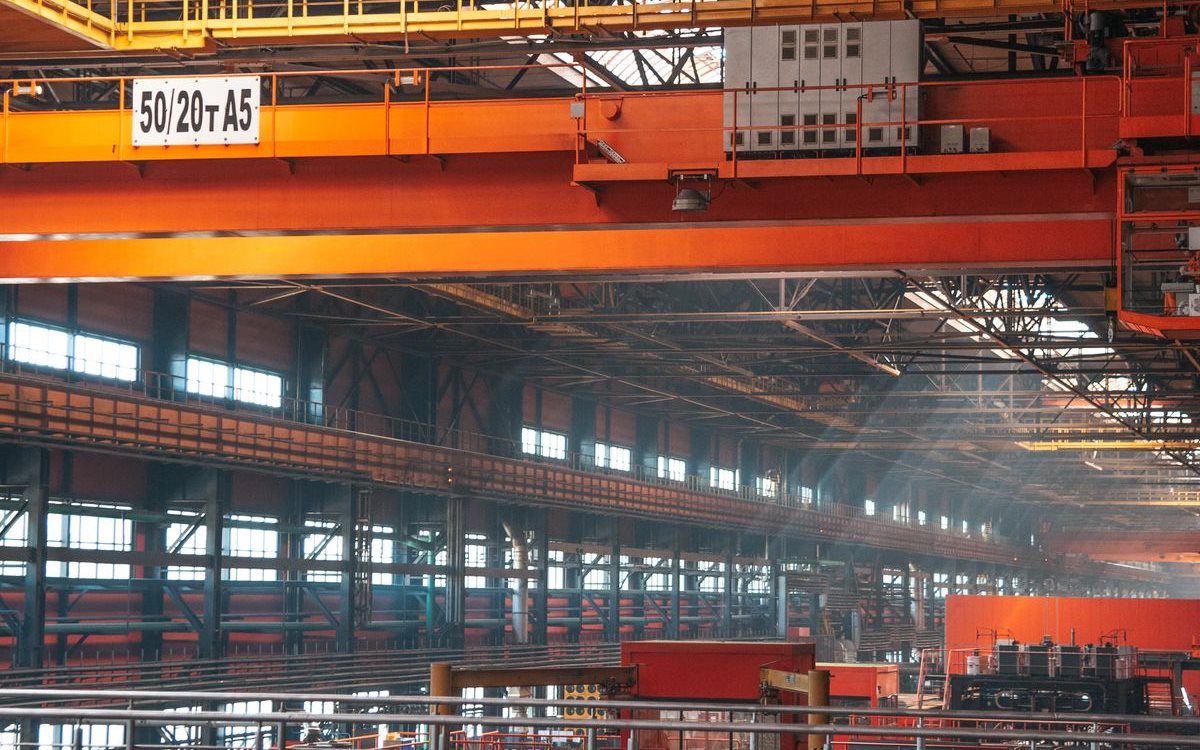
Carbon Steel Forgings
Typical grades may include C20, C22, C35, C40, C45, C50, C55 and equivalent ASTM / SAE / EN grades.
Typical Applications
- Shafts
- Pins
- Gears
- Flanges
- Hubs
- General engineering components
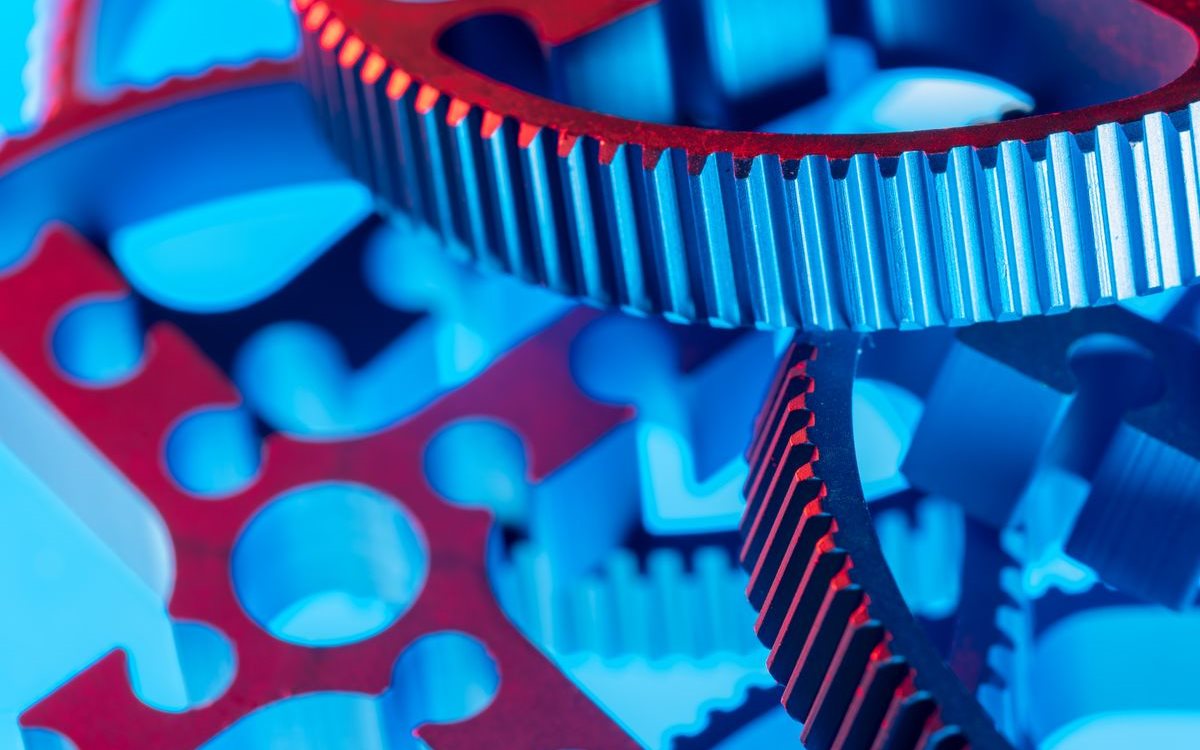
Alloy Steel Forgings
Typical grades may include 4140 / EN19, 4340 / EN24, 4130, 8620, 16MnCr5, 20MnCr5 and other equivalent grades.
Typical Applications
- High-strength shafts
- Gears
- Axles
- Automotive components
- Heavy machinery components
- Mining components
- Transmission components
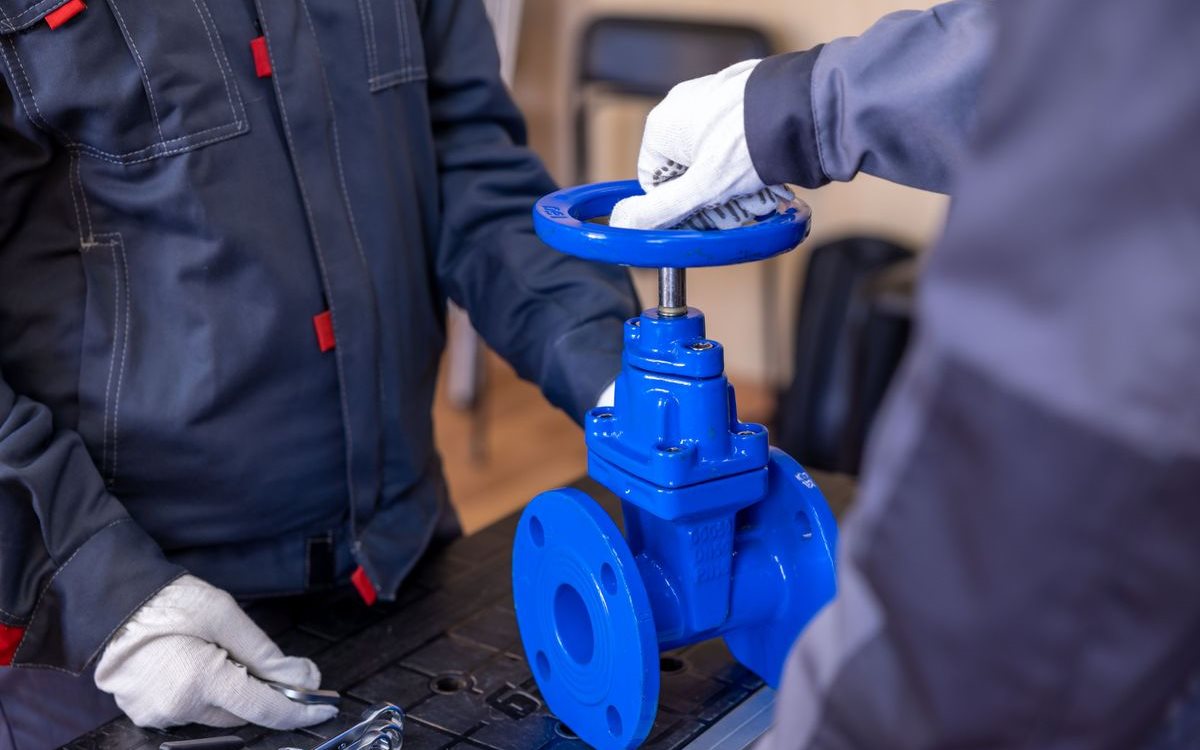
Stainless Steel Forgings
We can source forged stainless-steel components including suitable austenitic, martensitic, precipitation-hardening, duplex and super duplex grades.
Typical Applications
- Pumps
- Valves
- Marine equipment
- Chemical equipment
- Food-processing equipment
- Corrosion-resistant machinery
Aluminium Forgings
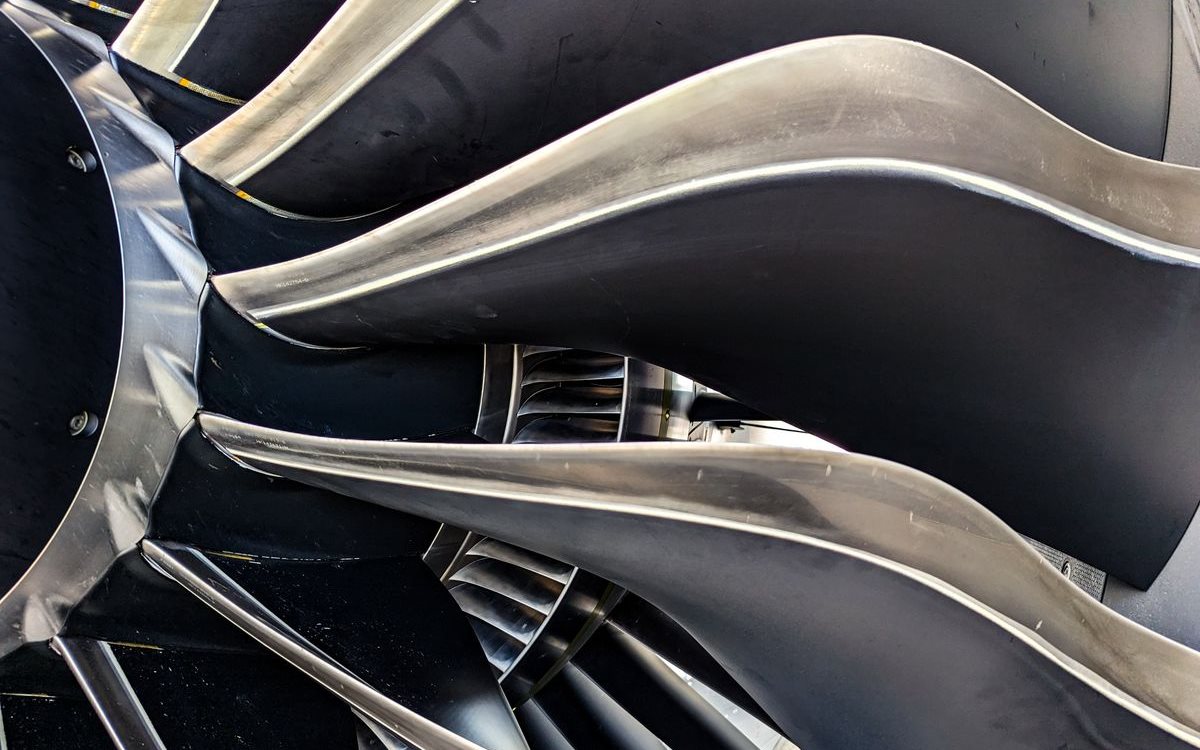
Aluminium forgings provide a combination of low density, good strength-to-weight ratio, corrosion resistance, good machinability and suitable fatigue performance.
Typical Applications
- Automotive
- Aerospace
- Transportation
- Hydraulic components
- Industrial equipment
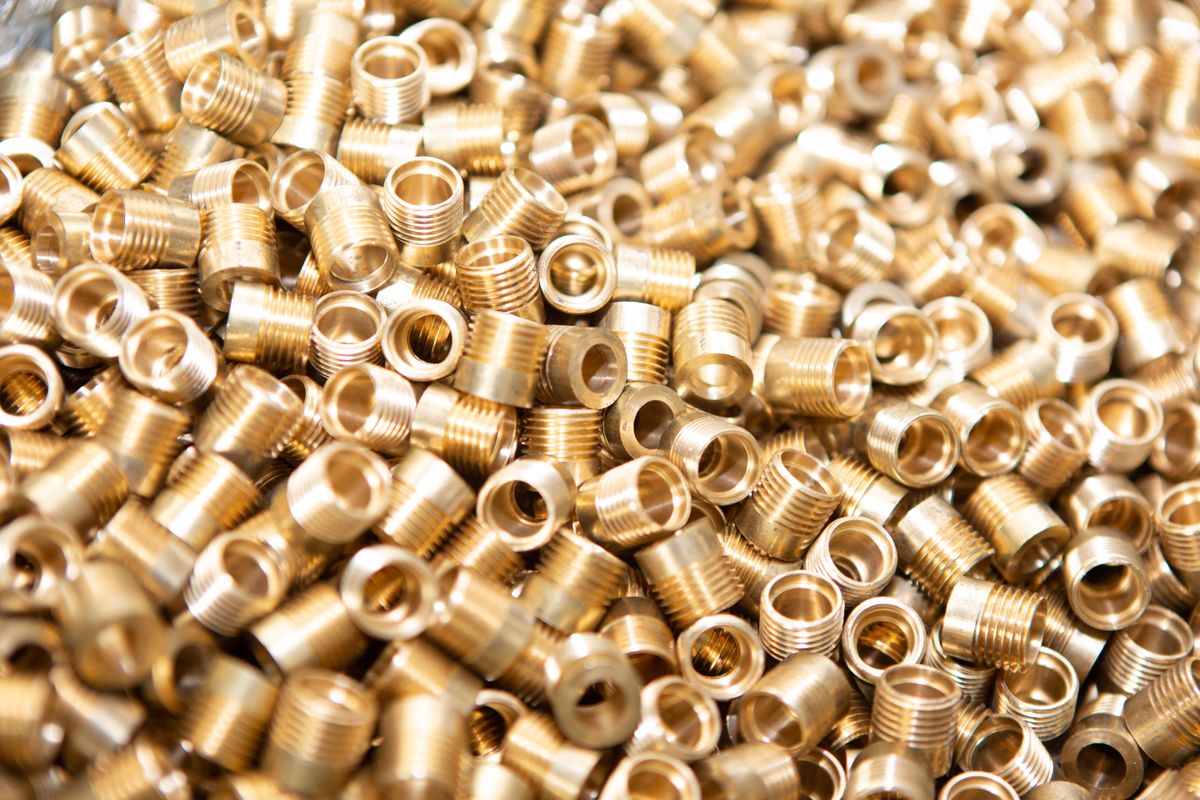
Copper & Brass Forgings
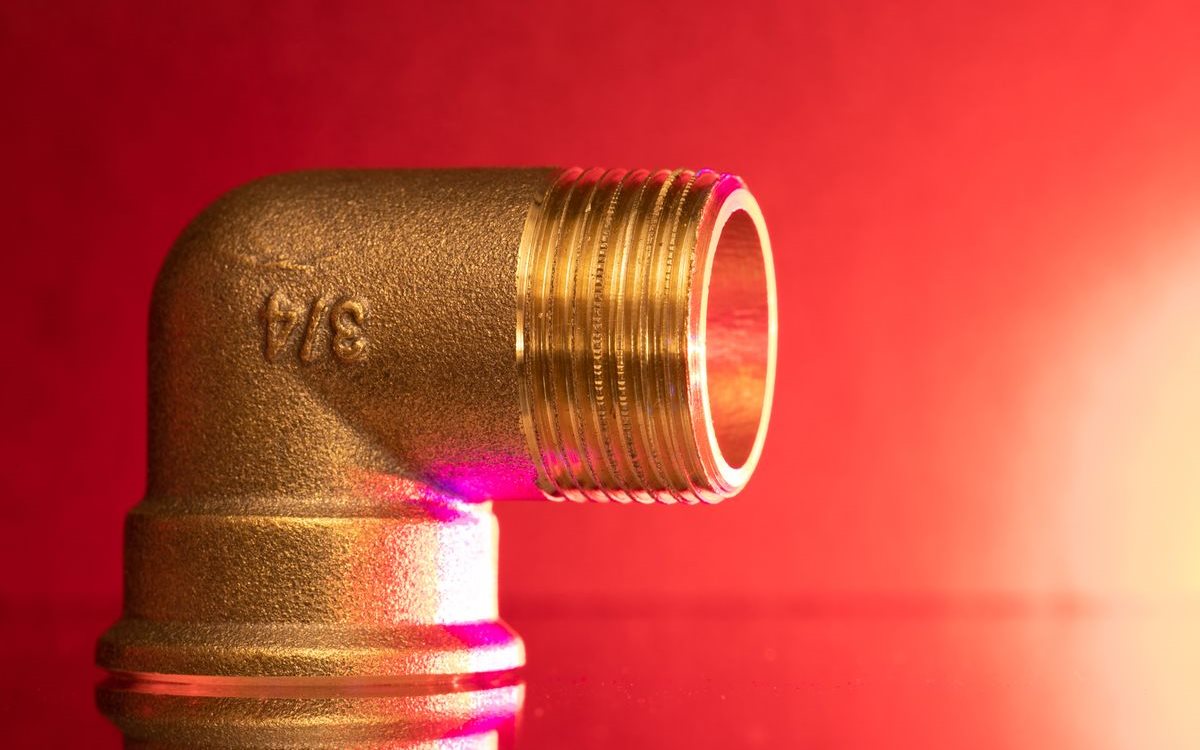
Suitable for applications requiring combinations of corrosion resistance, electrical conductivity, thermal conductivity and machinability.
Typical Components
- Valves
- Fittings
- Connectors
- Electrical components
- Industrial hardware
Titanium & Nickel-Based Alloys
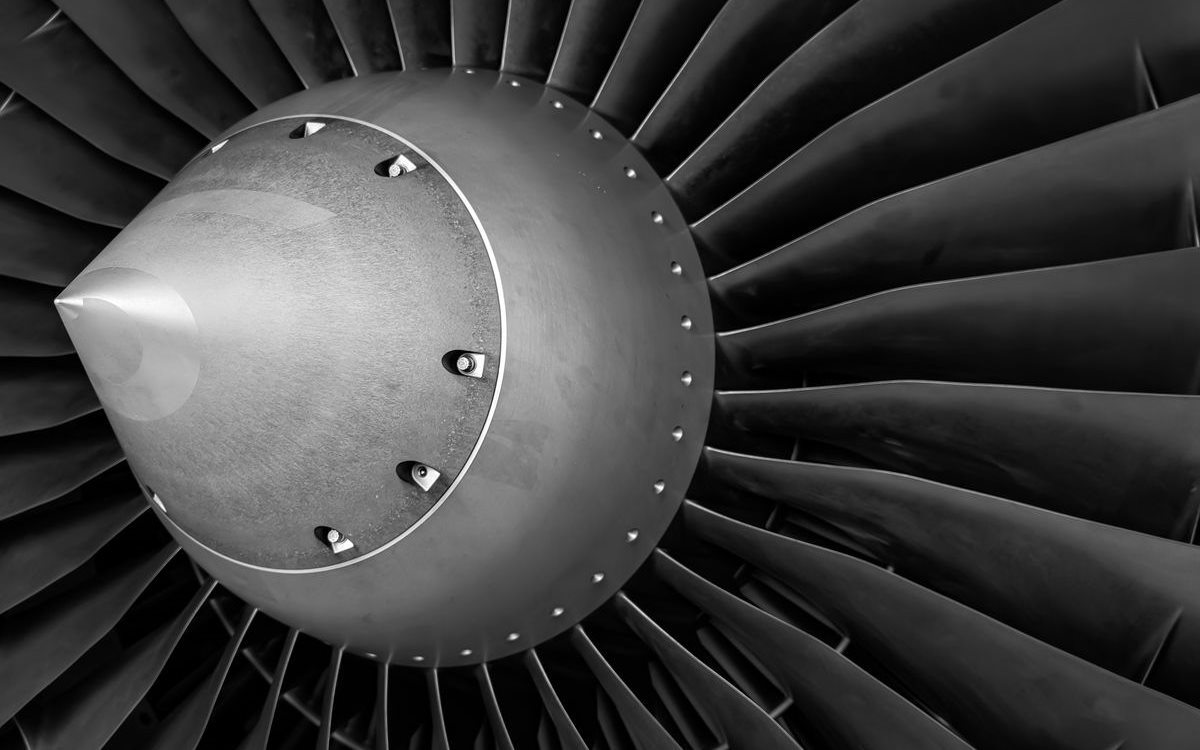
For specialized applications, sourcing can be evaluated for suitable titanium and nickel-based alloys where manufacturing capability, certification and traceability requirements are appropriately established.
Typical Applications
- Aerospace
- Chemical processing
- High-temperature equipment
- Power generation
- Specialized industrial applications
Matching the requirement to the right forging route
| Component Requirement | Preferred Forging Route |
|---|---|
| Very large shaft | Open Die |
| Large custom forging | Open Die |
| Complex repetitive component | Closed Die |
| Automotive production component | Closed Die |
| Small precision component | Cold Forging |
| Intermediate precision requirement | Warm Forging |
| Seamless ring | Ring Rolling |
| Large flange / ring | Open Die / Ring Rolling |
| Bolt or fastener | Cold / Upset Forging |
| High-strength shaft | Open / Closed Die |
| High-volume component | Closed Die / Cold Forging |
| Low-volume custom component | Open Die |
| Component requiring extensive deformation | Hot Forging |
Final process selection is subject to detailed technical evaluation of the component.
Choosing the right process for the component
| Requirement | Forging | Casting |
|---|---|---|
| High mechanical loading | Excellent for suitable designs | Good, material / process dependent |
| Fatigue performance | Excellent for suitable grain flow | Good, application dependent |
| Complex internal cavities | Limited | Excellent |
| Complex external geometry | Good, die dependent | Excellent |
| Large custom components | Open Die suitable | Sand / No-Bake suitable |
| High-volume repetitive parts | Closed Die suitable | Automated casting suitable |
| Near-net-shape small parts | Precision / Cold Forging | Investment / Die Casting |
| Tooling investment | Required for closed die | Required depending on process |
| Material utilization | Good, process dependent | Good to excellent, process dependent |
| Post-process machining | Usually required | Often required |
Let's forge your next component
Open-die, closed-die, rolled rings or forged-and-machined — coordinated through one sourcing partner.